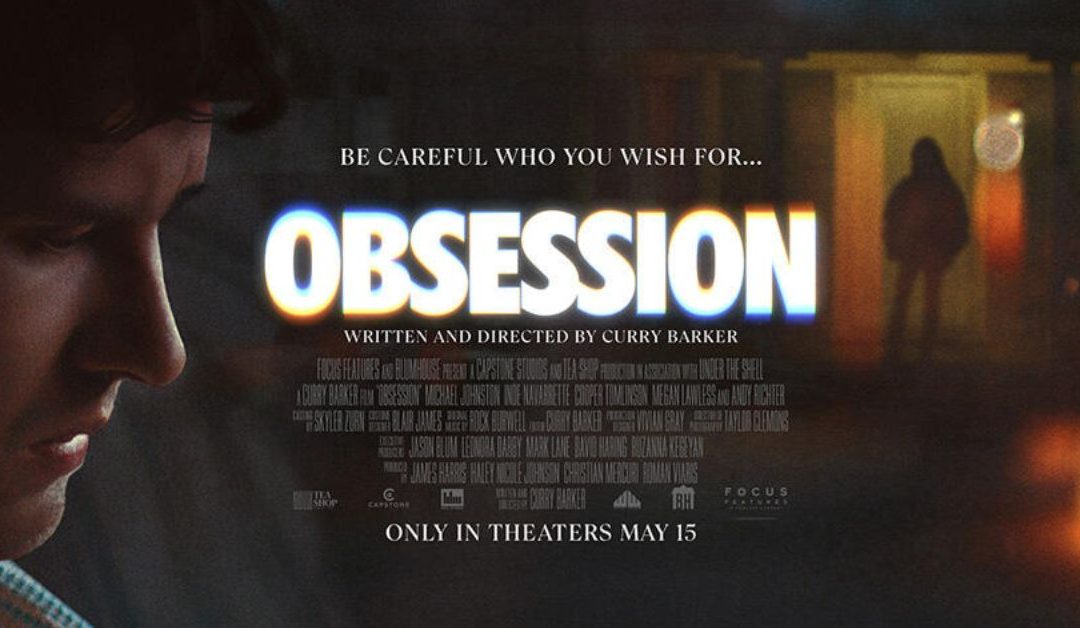
The marketing team behind the new film Obsession has done everything right as they’ve built a masterclass in capturing modern attention.
The marketing is not the loudest and it certainly is not the most expensive.
Instead, it is a deliberately engineered campaign to make people curious, get them involved and even unsettle them slightly in the best way possible.
A campaign built on curiosity, not explanation
The hype for Obsession started with questions.
An early teaser trailer set the tone of the film without really giving anything away. No over-explaining. No clean narrative breakdown. Just enough information to create tension and leave gaps the audience had to fill in themselves.
That is the first shift that many brands will miss. They think clarity is what sells.
But in a crowded attention economy, curiosity is what stops the scroll.
Marketing that evolved instead of repeating itself
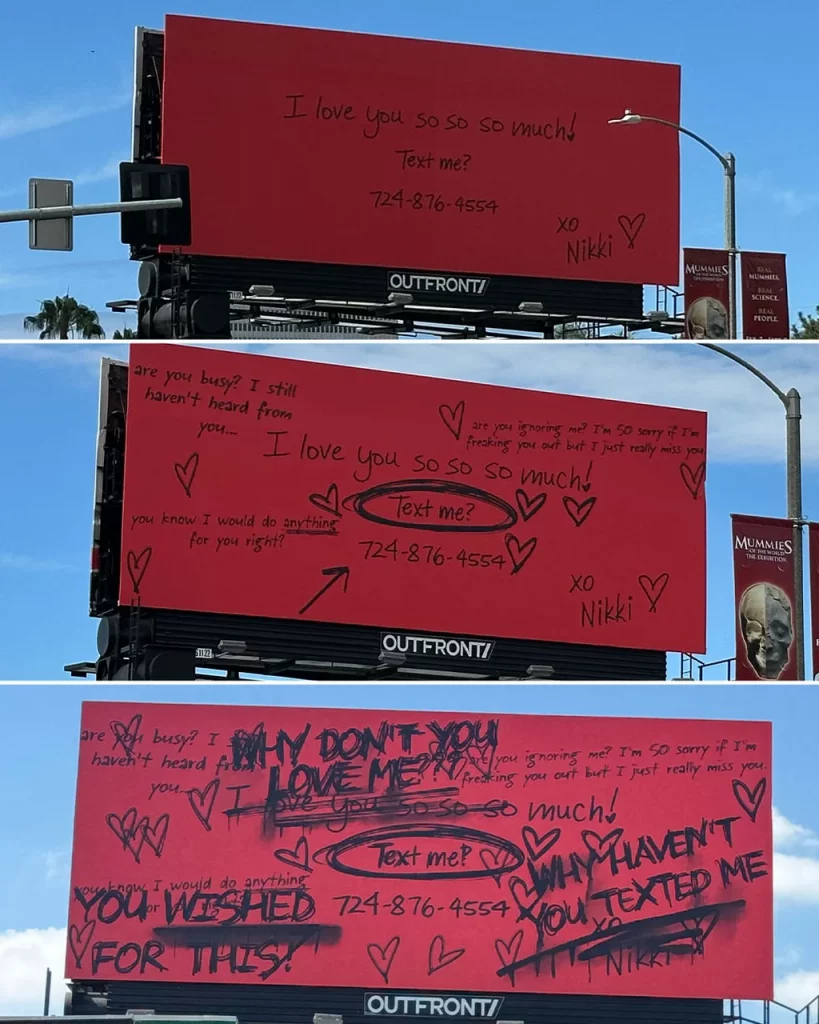
Then came the billboards.
These weren’t static placements that just repeated a single tagline for months. They actually changed over time, escalating in tone and urgency as the release date got closer.
Most marketing campaigns are built like singular announcements.
This campaign did something different. It created progression. If you saw it early, you got one version of the message. If you kept paying attention, the message changed.
That rewards attention. And anything that rewards attention earns more of it.
Turning audiences into participants
Then the campaign crossed a line that most film marketing never touches.
It became interactive.
The number on that billboard actually works. And yes, audiences received messages, including voice messages, from Inde Navarrette’s character Nikki.
This is no longer traditional marketing. It is full audience participation.
We are not just being told about a story. We are being pulled into it.
And that is where modern attention thrives.
The results don’t lie
The most interesting part is not just the creative execution. It is what it achieved.
Obsession was made for under $1 million and went on to gross more than $280 million worldwide, making it one of the lowest-budget films in decades to top the box office at that level.
That kind of return doesn’t happen by accident.
It happens when marketing does more than advertise. It builds momentum.
The real lesson most brands miss
This is where the conversation usually gets simplified into “viral marketing” or “low budget success story.” That misses the point entirely. The real lesson is not about budget.
It is about how attention actually works now.
Most brands still operate from an old assumption: If enough people see it, it will work.
But visibility is not the goal anymore. Visibility just means people noticed you. Attention means they are engaged. And participation means they cared enough to involve themselves.
That is the hierarchy that actually drives modern growth.
What this means for brands and creators
There are a few clear takeaways here that apply far beyond film marketing:
Stop trying to explain everything upfront.
If your marketing removes all uncertainty, it also removes curiosity. And curiosity is what drives engagement.
Design campaigns that evolve.
Static messaging dies fast. Campaigns that change over time create momentum.
Build interaction, not impressions.
People don’t remember ads. They remember moments where they did something.
Think in experiences, not assets.
A billboard, a trailer, a social post, a landing page. None of these matter alone. The experience between them is what matters.
How this applies to real brand building
At LUMEDIA Creative, this is exactly how modern brand strategy is built.
Not around louder messaging.
Not around more content.
But around creating systems where people feel like they are stepping into something, not just observing it.
Because the brands that win today are not the ones that talk the most.
They are the ones that people choose to participate in.
Final thought
The Obsession campaign is not just clever film marketing.
It is a reminder that attention is no longer bought through repetition or budget.
It is earned through experience.
And the brands that understand that shift early are the ones that will define what marketing looks like next.