
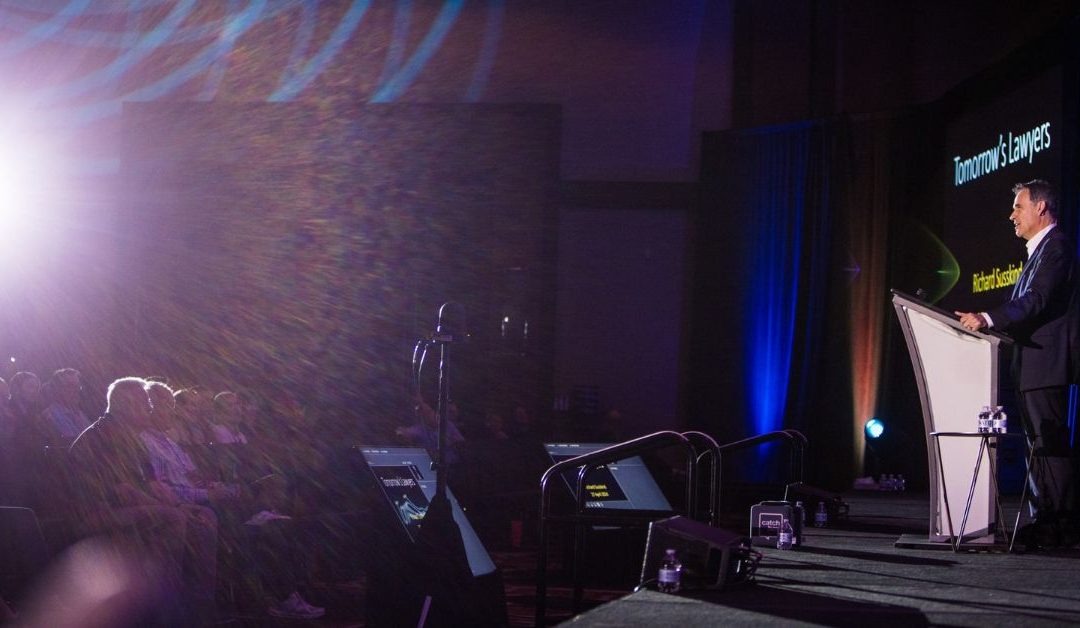
Planning, technical coordination, production infrastructure, and execution.
A successful event production doesn’t happen because someone shows up with cameras, microphones, and a few lights.
There’s a lot more to it.
Every presentation, video feed, microphone, camera angle, screen, recording, and live transition has to work together. The equipment needs to be configured, the technical requirements need to be addressed, the crew needs to understand their roles, and the production needs to be ready for what happens once the event begins.
That’s the part of the event most attendees never see.
At Lumedia Creative, our work begins with understanding what an event needs from a production standpoint. What needs to be captured? What needs to be displayed? What needs to be recorded? Are there multiple cameras, live video feeds, presentations, interviews, or attendee activations? How do all of those pieces fit together?
The answers determine the production requirements, the equipment, the crew, and the technical workflow.
Because successful event production isn’t simply about having the right gear. It’s about knowing how to bring all of it together and execute it when it matters.
1. Production Planning and Preproduction
Before equipment is loaded into a truck or a camera is placed in position, the production needs a plan.
This is where we work through the technical and creative requirements of the event.
It’s important to distinguish production planning from event planning. The event planner or client is responsible for organizing the event itself. Our responsibility is to understand how the production supports that event and what needs to happen to execute it.
That starts with a few questions:
- What are the production requirements?
- What needs to be photographed or filmed?
- Are presentations being displayed on screens?
- Will there be multiple cameras capturing a keynote, panel, or presentation?
- Does the event require live video switching or recording?
- Are interviews or attendee activations part of the production?
- What needs to be delivered after the event?
We also need to understand the schedule, venue, room configuration, access times, and any technical limitations that could affect production.
For example, a general session with a single presenter and a projection screen has very different requirements than a multi-camera conference production with multiple presenters, walk-on presentations, video playback, and live switching.
The production needs to be designed around what is actually happening.
This is also where we identify potential problems before they become problems. Camera positions, cable runs, audio connections, lighting conditions, power requirements, and equipment placement all need to be considered.
The more we can address in preproduction, the fewer surprises we have once we’re on site.
And there will always be surprises. The goal isn’t to pretend otherwise. It’s to be prepared enough to handle them.
2. Technical Coordination
This is where the individual pieces of a production start coming together.
A professional event production can involve several different technical systems operating simultaneously. Audio, video, lighting, cameras, presentation systems, recording equipment, and sometimes livestreaming all need to work together.
The challenge isn’t necessarily getting each individual piece of equipment to work. It’s making sure everything works together.
Audio Production
Clear audio is one of the most important parts of any event production.
A presentation can have incredible visuals, beautiful lighting, and a room full of engaged attendees. But if the audience can’t hear the speaker, none of that matters.
Depending on the event, audio requirements might include wireless microphones, handheld microphones, lavaliers, podium microphones, playback audio, and connections to the venue’s existing sound system.
For video production, we also need to consider how audio is being captured independently of what the audience hears in the room.
The sound coming through the venue speakers isn’t necessarily the same signal we need for a clean recording.
That distinction matters.
Video Production
Video production can range from a single camera capturing a presentation to a multi-camera setup with dedicated operators, switching, recording, and live video feeds.
With multiple cameras, we need to determine what each camera is responsible for.
One might capture a wide view of the stage. Another might be dedicated to tighter shots of the presenter. Additional cameras can capture audience reactions, panelists, or other details that help tell the story of the event.
If those cameras are feeding into a live production system, someone needs to manage the switching between them.
It’s not enough to have multiple cameras recording. The production needs to determine how those angles are being used, monitored, and delivered.
Lighting and Presentation Systems
Lighting serves more than one purpose at an event.
It needs to support the room, the presenters, and the cameras. Lighting that looks perfectly acceptable to someone sitting in the audience may not produce the same results on camera.
Presentation systems also require attention. Slides, video playback, graphics, and other visual elements need to be integrated into the production workflow.
When all of these components are coordinated properly, the event feels seamless. When they aren’t, even small technical issues can interrupt the experience.
3. Production Infrastructure and Crew
The equipment is important. The people operating it are just as important.
A production is only as strong as the infrastructure supporting it.
That includes the physical equipment, technical connections, signal flow, communication systems, and crew positions required to make everything work.
Depending on the scope of the event, production infrastructure may include:
- Professional cameras, lenses, and support systems
- Video switchers and recording equipment
- Audio mixers, microphones, and audio interfaces
- Lighting equipment and control systems
- Monitors and confidence displays
- Presentation and playback systems
- Cabling, power distribution, and signal connections
- Recording and media management systems
- Crew communication and coordination
Not every event needs all of these components. The production should be built around the actual requirements, not an equipment wish list.
Crew assignments matter just as much.
A camera operator has a different responsibility than an audio technician. A video director or switcher operator is focused on a different part of the production than someone managing presentation playback.
Those responsibilities need to be clear before the event begins.
This is especially important when multiple production elements are happening at the same time. If everyone is trying to manage everything, important details get missed.
A coordinated crew understands what they’re responsible for, how their role fits into the larger production, and who to communicate with when something changes.
That’s what allows a production to operate as one system instead of a collection of individual pieces.
4. On-Site Production and Execution
The production plan meets reality on event day.
This is where equipment gets loaded in, assembled, connected, tested, and configured. Cameras are positioned. Audio is checked. Screens are tested. Lighting is adjusted. Recording systems are verified.
And ideally, all of this happens well before the first presentation begins.
One of the biggest mistakes in event production is underestimating how much time is required for setup and testing.
Having enough time to physically install equipment is not the same as having enough time to test the entire production.
Every connection needs to be checked. Every camera needs to be monitored. Audio needs to be verified. Video feeds need to be tested. Presentations and playback need to be confirmed.
If the production includes multiple cameras or live switching, we need to know that the entire workflow is functioning before the show starts.
Rehearsals are also important.
Even a short technical rehearsal can identify issues with microphone placement, presenter transitions, presentation playback, lighting, or camera positioning.
Once the event begins, the production team needs to execute the show while adapting to what is happening in real time.
Presenters run long. Speakers arrive late. Presentation files change. A microphone stops working. The schedule shifts.
That’s the nature of live production.
The difference isn’t whether something unexpected happens. It’s how quickly and effectively the production team responds without disrupting the experience.
A well-executed production doesn’t require everything to go perfectly. It requires a team that knows what it’s doing when things don’t.
5. Post-Production and Content Delivery
The production doesn’t necessarily end when the last presenter leaves the stage.
In many cases, some of the most valuable deliverables are created after the event itself.
Depending on the scope, post-production can include editing conference recordings, producing highlight videos, organizing event photography, editing interviews, creating social media clips, and preparing content for internal or external distribution.
This is where it’s important to think about the intended use of the material before production begins.
A recording intended for internal reference has different requirements than a polished presentation video being distributed publicly.
A short event recap has different requirements than a collection of individual keynote recordings.
If interviews are being captured, we need to consider how those conversations will be edited and used. If social content is a priority, we should be capturing footage with those deliverables in mind.
The same applies to photography.
Capturing a collection of images that documents the event is one thing. Creating a library of photographs that includes speakers, attendees, networking, branded environments, details, and key moments provides a much broader range of material for future use.
The goal is to deliver content that serves a purpose beyond simply documenting that the event happened.
For organizations investing in conferences, meetings, and corporate events, that content can continue supporting marketing, communications, internal presentations, and future event promotion long after the production equipment has been packed away.
Why Integrated Event Production Matters
One of the biggest challenges with event production is coordinating multiple vendors and technical teams that may be responsible for different parts of the same experience.
The photography team is capturing the event. Another company is recording the presentations. A separate crew is managing video switching. Someone else is handling interviews.
That arrangement can work, but it also creates more points of coordination.
Who is communicating with whom? Who is responsible for the technical requirements? Are the teams working from the same schedule? Are camera positions interfering with one another? Are the deliverables being captured in a way that supports the overall production?
These are details that need to be addressed.
When photography, video, multi-camera production, interviews, and other content capture are coordinated under one production team, there is a clearer line of communication and a more unified approach to execution.
It also creates opportunities to capture content more efficiently.
For example, an interview setup can be coordinated with the event schedule and the photography team’s coverage. Camera positions can be planned to accommodate both live production and event documentation. Production requirements can be considered together rather than handled independently.
That doesn’t mean every event needs a single vendor for everything. It means someone needs to understand how the different pieces fit together.
And that coordination can make a significant difference in the final result.
Bringing It All Together
A successful event production is the result of a lot of work that most people never see.
It takes technical preparation, the right equipment, experienced crew members, clear communication, and the ability to execute when the schedule is moving and the pressure is on.
The production should support the event, not compete with it.
Attendees should be focused on the presentations, conversations, and experience. Presenters should be able to walk on stage knowing the microphones, screens, and technical systems are ready. And the client should have confidence that the production is being handled.
At Lumedia Creative, we bring together event photography, video production, multi-camera recording, interviews, and supporting content to help organizations capture and produce their events.
From preproduction and technical coordination through on-site execution and post-production, we focus on making sure the pieces work together.
Because there’s a big difference between showing up to capture an event and producing the content and technical experience that make it work.
Planning an upcoming conference, corporate meeting, or live event? Let’s talk about what your production needs.